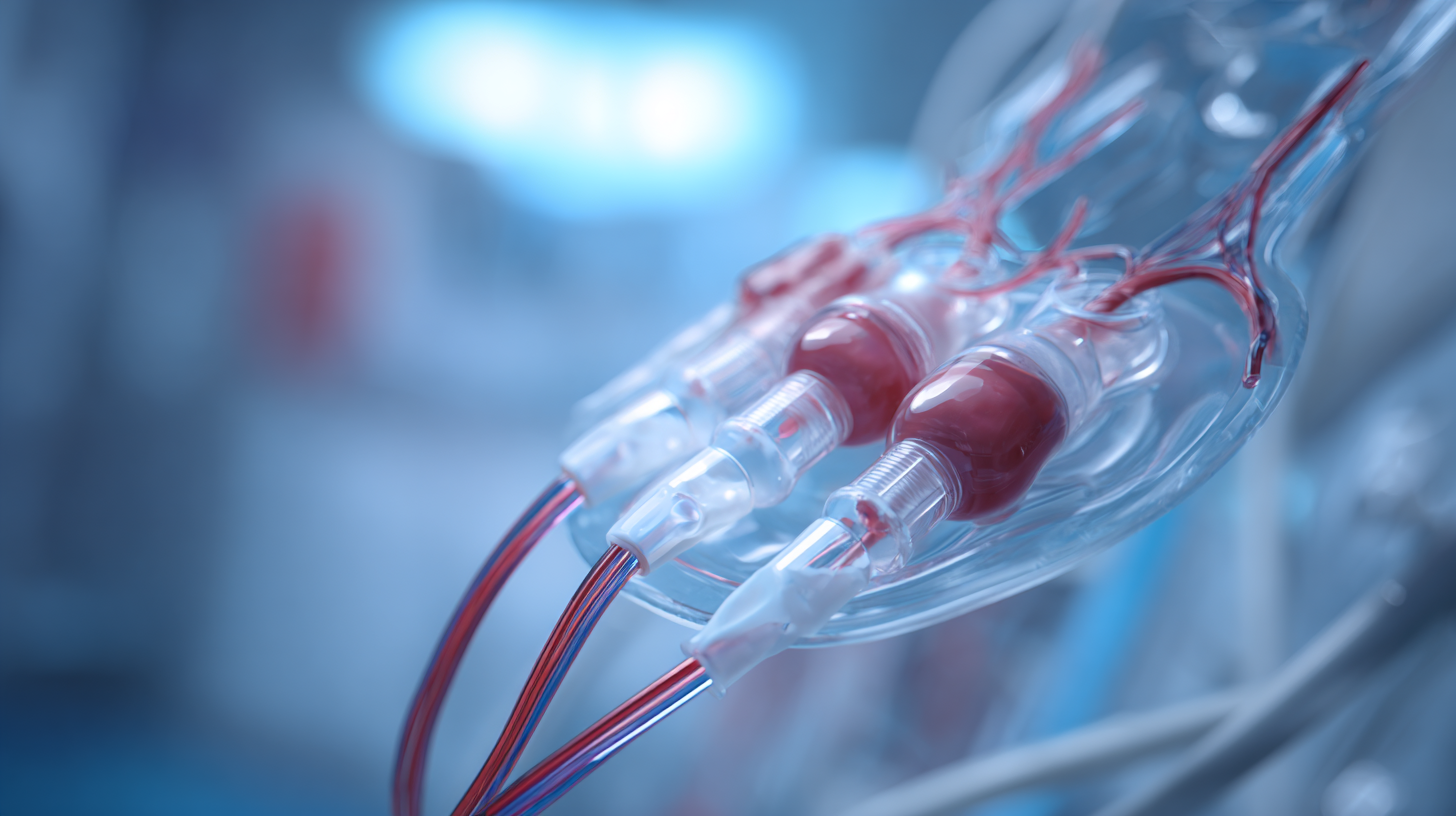
When it comes to kidney care, the Acute HemoDialysis Catheter is pretty much a game-changer for patients dealing with sudden kidney issues or those who need urgent dialysis. Basically, this special catheter is a key part of the whole hemodialysis process—it helps quickly and effectively clear out toxins and extra fluids from the blood, giving the kidneys a much-needed breather. At Tianck Medical Co., Ltd., we totally get how important this device is for improving patient outcomes. That’s why we’re dedicated to pushing healthcare forward by creating precision-engineered products that meet the real-world needs of doctors and patients everywhere.
In this blog, we’ll take a closer look at how the Acute Hemodialysis Catheter works—its design, how it’s used, and the big difference it makes in kidney care.
Understanding Acute Hemodialysis Catheters: A Brief Overview
Acute hemodialysis catheters are pretty much essential when it comes to managing patients with sudden kidney failure. These specialized catheters are meant for temporary use—they’re a quick way to access the bloodstream so dialysis can happen fast. Funny enough, according to the National Kidney Foundation, nearly 30-50% of folks in intensive care end up with acute kidney injury (AKI), which means they really need effective renal replacement therapy. Having these catheters in place allows doctors to jump in right away, which can make a big difference in how well patients do, especially when they’re critically ill.
So, how do these catheters actually work? Well, they’re usually made from materials that don’t cause much fuss in the body, and they’re inserted into big veins—either in the neck or the groin. This way, blood can flow through them quickly, making toxin removal more efficient. Studies, like one published in the Journal of the American Society of Nephrology, have shown that starting dialysis early with these catheters can cut down hospital stays by about 2 to 4 days for AKI patients.
Of course, it’s crucial to manage these catheters properly and remove them as soon as they’re no longer needed to avoid problems like infections—which, by the way, can happen in around 10-20% of cases. All in all, these acute hemodialysis catheters are vital in kidney care—they not only give patients an immediate lifeline but also pave the way for better recovery outcomes.
The Role of Acute Hemodialysis Catheters in Renal Emergency Care
Acute hemodialysis catheters are pretty much lifesavers in renal emergencies, especially when someone suddenly hits kidney failure. These specialized devices are like quick-access points to the bloodstream, letting healthcare providers start dialysis fast—because, let’s be real, in emergencies, every second counts. Getting a catheter in quickly means patients can get the treatment they need to handle things like fluid overload, electrolyte imbalances, or toxins building up because their kidneys aren’t working properly.
But these catheters aren’t just about getting blood. They’re built to handle high blood flow rates needed for effective dialysis, making sure waste and toxins are cleared out efficiently. Usually placed in large veins, they’re designed to reduce complications and help remove extra fluids and waste during those critical moments. Plus, they’re pretty easy to put in, which is a real plus since they can be used in a ton of settings—whether it’s the emergency room, ICU, or anywhere rapid action is needed. Overall, acute hemodialysis catheters are like an essential lifeline for patients in renal crisis, giving healthcare teams a way to intervene quickly and stabilize their condition.
Mechanism of Action: How Acute Hemodialysis Catheters Work
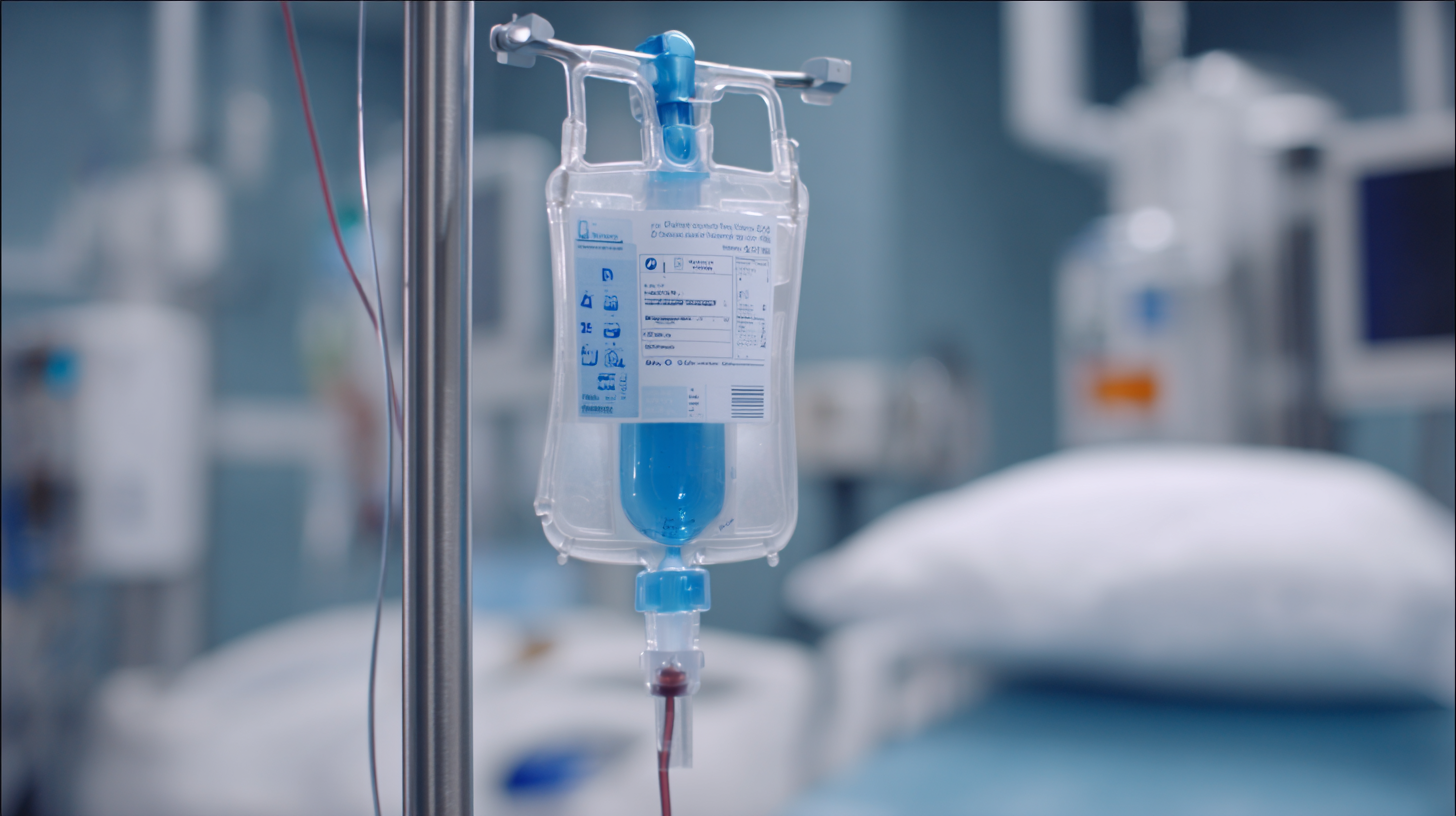
An acute hemodialysis catheter is a pretty specialized medical device that's used for folks dealing with serious kidney problems. Basically, it acts as a vital pathway for blood during dialysis — helping to clear out toxins and extra fluids from the bloodstream. Now, unlike those long-term catheters used for ongoing dialysis, these acute ones are mainly temporary. You'll usually see them in emergency situations or when someone’s just starting to recover from sudden kidney issues.
So, how does it actually work? Well, it’s pretty straightforward but super effective. The catheter is inserted into a big vein—most often in the neck or groin—and gives access to the circulatory system. Once it’s in place, it pulls blood out of the body and sends it to a dialysis machine. There, a semi-permeable membrane filters out waste products and extra electrolytes. The cleaned blood then gets pushed back into the body through the same catheter. This whole process is a lifesaver, especially for patients who can't do traditional dialysis or need immediate intervention. It really helps stabilize their condition and get them on the road to recovery.
All in all, acute hemodialysis catheters are pretty crucial in urgent situations—they're short-term but mighty important when every second counts.
Advantages of Using Acute Hemodialysis Catheters in Treatment
Hey, let me tell you about acute hemodialysis catheters — they’re kind of a big deal when it comes to kidney care, especially for folks dealing with acute kidney injury (AKI). Basically, these catheters are meant for short-term use, and they're super important when quick intervention is needed, like in a hospital setting. Did you know that according to the National Kidney Foundation, around 20-25% of people in the hospital might end up developing AKI? That’s why having reliable, fast access to dialysis is a game-changer. These catheters help doctors get patients stabilized fast, which can really make a difference in how well they recover.
One of the cool things about acute hemodialysis catheters is how easy they are to put in. They can be inserted through the skin (percutaneously), which means clinicians can get access pretty quickly — definitely faster than waiting on arteriovenous (AV) fistulas or grafts, which need surgery and time to mature. In fact, a report from the Centers for Medicare & Medicaid Services shows that about 70% of patients needing dialysis in emergency situations rely on temporary catheters. Not only are they essential, but they also tend to come with fewer complications and provide good blood flow rates, helping the dialysis do its job more effectively.
Advantages of Using Acute Hemodialysis Catheters in Treatment
This bar chart illustrates the advantages of acute hemodialysis catheters in treatment, highlighting key benefits such as immediate access, flexibility, reduced complications, and increased patient comfort. Each advantage is rated on a scale of 10, providing a visual representation of their significance in renal care.
Potential Complications and Risks of Acute Hemodialysis Catheters
Acute hemodialysis catheters are pretty much lifesavers in kidney care—they’re the go-to way to give patients access when their kidneys just aren’t working right. That said, they’re not without their hiccups. Healthcare workers have to be really careful because these catheters can bring along some serious risks. For example, data from the American Journal of Kidney Diseases shows that infections related to these catheters can happen somewhere between 2.2 and 12 times per 1,000 days of use – which might not sound like a lot, but it can really mess with patient recovery and drive up healthcare costs. These infections can mean longer hospital stays and even increase the risk of death, so preventing them is super important in everyday practice.
On top of that, mechanical issues like blood clots or catheter malfunction are pretty common too. Some studies suggest that thrombosis (clot formation) occurs in up to 25% of cases during acute treatments. When that happens, patients might need more procedures or repeated interventions, which is obviously tough on both the patient and the healthcare system. The CDC stresses how vital it is to stick to strict sterile techniques to keep these problems at bay. All in all, managing these catheters really matters if we want to keep patients safe and improve outcomes in kidney care.
Exploring Alternatives to Acute Hemodialysis Catheters in Renal Care
When it comes to kidney care, the acute hemodialysis catheter (AHC) has long been the go-to solution for patients needing urgent dialysis. But as medical tech keeps improving, it's really worth exploring other options that might offer better outcomes. One of these promising alternatives is peritoneal dialysis, or PD for short—it involves filling the abdominal cavity with a special dialysis solution. Many folks find this approach to be less invasive, which can mean more comfort and flexibility, especially if traditional AHCs aren’t well-tolerated.
Tip: If you’re thinking about other options besides AHCs, it’s super important to consider your overall health, kidney function, and what you personally prefer. Having an open chat with your healthcare team can really help figure out what’s best for you.
Another option worth mentioning is tunneled dialysis catheters. These are inserted under the skin, which actually reduces the risk of infections and can serve as a more long-term solution for people who need ongoing dialysis support. They tend to be pretty stable and reliable over time.
Tip: It’s a smart move to stay informed about all the different treatments out there and to actively participate in the decisions about your care. Talking openly with your renal care team can give you better insights and help you work through the sometimes complicated world of dialysis choices.
FAQS
: Acute hemodialysis catheters are specialized devices used to provide rapid access to the bloodstream for patients with acute renal failure, allowing for efficient dialysis treatment.
These catheters are inserted into large Central Veins, drawing blood into a dialysis machine where toxins and excess fluids are filtered out before the cleaned blood is returned to the body.
Research indicates that starting dialysis early using acute hemodialysis catheters can reduce the length of hospital stays by 2-4 days in patients with acute kidney injury.
Common complications include catheter-related bloodstream infections and mechanical issues such as thrombosis, which may require further interventions.
Data suggest that catheter-related bloodstream infections occur at rates ranging from 2.2 to 12 infections per 1,000 catheter days.
Strict adherence to sterile techniques and effective management practices are crucial for reducing the risks of complications and improving patient outcomes.
Acute hemodialysis catheters are typically made from biocompatible materials to ensure compatibility with the human body.
These catheters are commonly inserted into large veins in the neck or groin to enable high blood flow rates for effective dialysis treatment.
No, acute hemodialysis catheters are designed for short-term use, typically for emergency situations or recovery from acute kidney injury.
The use of these catheters allows for immediate intervention in critically ill patients, significantly improving health outcomes and stabilizing their condition.
Conclusion
Acute Hemodialysis Catheters are really important in emergency kidney care because they give quick access to the blood vessels for patients going through sudden kidney failure. They're made to be inserted quickly and to efficiently filter blood, which helps doctors stabilize patients while they work on managing the renal issues. Knowing how these catheters work is pretty key — they basically help remove toxins and extra fluids, making the whole treatment a bit smoother.
Now, while these catheters are really useful—thanks to how easy they are to use and how fast they can get things done—there are some risks and potential complications too, so it’s something healthcare providers need to keep an eye on. And of course, as medicine keeps advancing, it’s also smart to explore other options. At Tianck Medical Co., Ltd., we’re committed to making a real difference in patient care by creating precision-engineered products that assist healthcare professionals in managing kidney treatments safely and effectively.